HealthDay Press Reporter
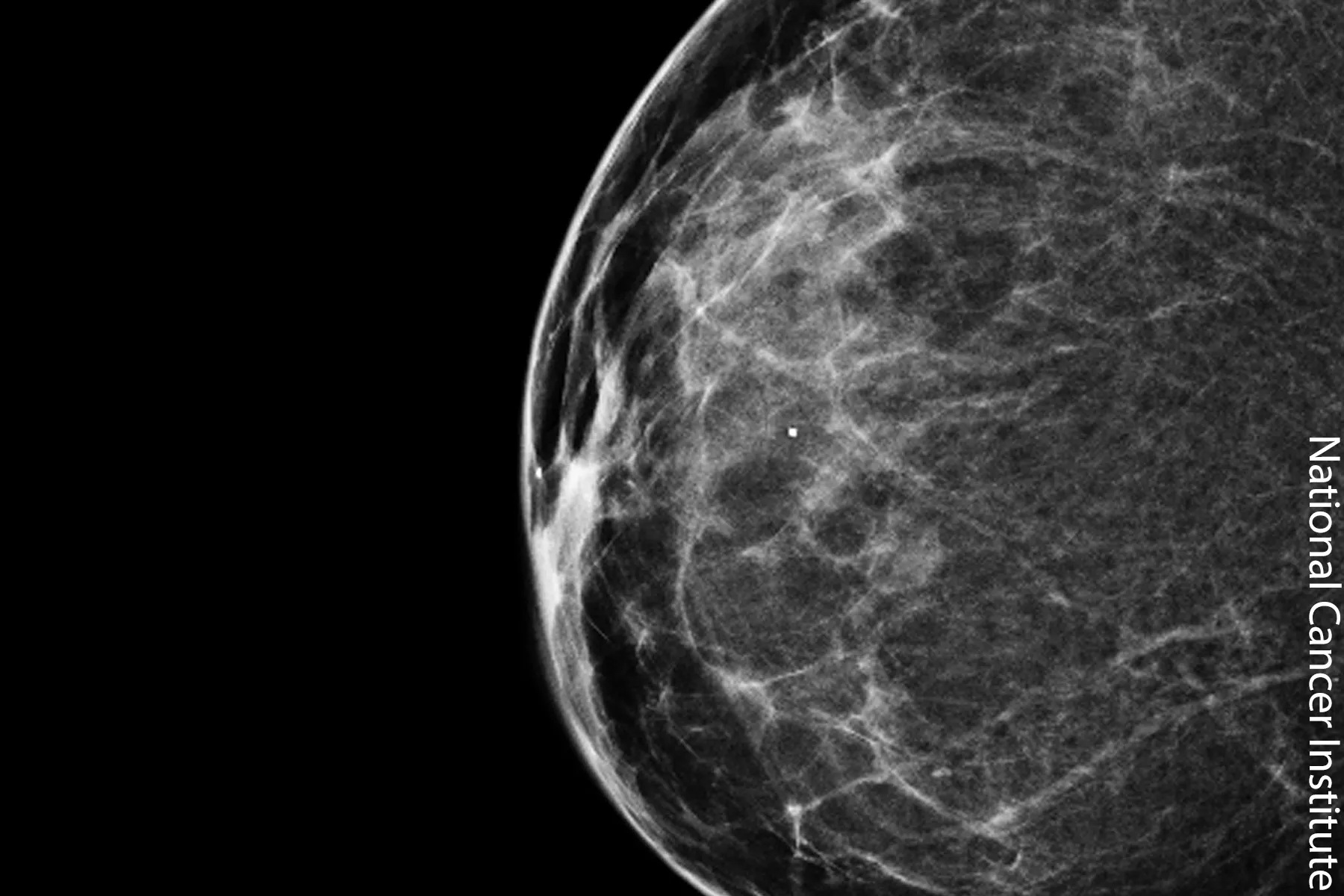
TUESDAY, April 6, 2021 (HealthDay News)– When the pandemic first struck last spring, evaluating mammograms fell by the wayside as COVID-19 became the most pressing medical concern in the nation, but U.S. screening rates rebounded by mid-summer, a brand-new research study shows.
But even though things have gone back to typical, it still hasn’t been enough to make up for those 3 months of hold-ups, the researchers kept in mind.
Investigators from the Breast Cancer Security Union, a federally funded, national network of breast imaging registries, discovered there was a near cessation of mammograms in mid-March2020 In April 2020, screening mammography was at only 1%of anticipated volume, based upon historic numbers.
By July, that had rebounded to about 90%of pre-pandemic rates. Diagnostic mammograms, those that happen since a woman feels a breast swelling or had an earlier mammogram that identified a prospective problem, were back up to 100%by July.
“That, to us, seemed like a quite great success story in terms of getting those volumes back up,” stated study author Brian Sprague. He is a scientist at the University of Vermont Cancer Center, in Burlington. “The other hand of that was then simply seeing quantitatively the variety of so-called missed mammograms in March, April, Might and June, and recognizing that’s a considerable number of mammograms,” he included.
” Mammography centers don’t just need to get back approximately 100%of their volume, however if they’re going to catch up on those missed screening exams, they need to be higher than their usual volume to get all those women back in who missed their exam,” Sprague said.
For the research study, the scientists looked at data from more than 461,000 screening mammograms and more than 112,000 diagnostic mammograms from January 2019 through July 2020 at 62 radiology centers. Though the study did not cover the previous numerous months, Sprague stated anecdotally scientists are confident that mammography centers are still continuing to operate at high and close-to-normal volumes.
The research study did not determine whether those who missed visits in the spring are those who are catching up or if it was those who would usually have had their mammograms in summer.
Continued
” Those kinds of things could have an impact in terms of the results. It’s something to delay screening for 3 to six months, for instance, however we get a bit more concerned when we’re postponing for a whole year or even, believing more worst case, folks who have been more drastically affected by the pandemic, possibly loss of employment or loss of health insurance, who maybe will leave of evaluating completely,” Sprague said.
The rebound was likewise stronger among white and Black females than Asian and Hispanic women, according to the research study, though it isn’t clear why. The research study was a tasting of radiology centers around the United States who had a diverse population as a whole, Sprague said, but it might likewise show what was happening at some of these particular websites.
The findings were published just recently in the Journal of the National Cancer Institute
Sprague said further research is ongoing to comprehend the impact of the pandemic on breast cancer detection and results.
Another recent report discovered that while cancer screening rates are starting to rebound, patients are being identified with advanced cancers than before the pandemic.
” The trend towards more advanced illness, while disconcerting, does not automatically suggest worse outcomes for clients,” Dr. Thomas Eichler, chairman of the American Society for Radiation Oncology, informed press reporters throughout a rundown on the findings last week. “Modern treatments, such as stereotactic radiation therapy or immunotherapy drugs, might balance out some of the threat from advanced-stage cancers.”
Dr. Julie Gralow, primary medical officer for the American Society of Clinical Oncology, kept in mind that another market group, those over age 70, had more delays of diagnostic mammograms early in the pandemic, although those numbers likewise rebounded.
Forecasts previously in the pandemic assumed that screening numbers wouldn’t rebound for 6 months, but that appears to have actually occurred much more quickly, Gralow said. That could mean that there are less deaths above average than specialists had expressed issue about earlier, she noted.
Now, it is necessary to assure those who have still not returned that it’s time to return to regular health maintenance and that consists of breast, cervical and colon cancer screening, she said.
Continued
” What will get individuals back is peace of mind that we can do this securely,” Gralow said. “Fortunately is we have the [COVID-19] vaccine now and as vaccination rates are increasing, I think that will help the older population feel more comfy, the ones who were missing their regular health visits due to the fact that in their mind it was more of a threat of direct exposure to come into an imaging center.”
More information
RadiologyInfo.org has more on mammography
SOURCES: Brian Sprague, PhD, scientist, University of Vermont Cancer Center, and associate teacher, surgical treatment, University of Vermont’s Larner College of Medication, Burlington, Vt.; Julie Gralow, MD, chief medical officer/executive vice president, American Society of Scientific Oncology, Seattle; Journal of the National Cancer Institute, March 29, 2021


No comments:
Post a Comment